India is not merely a destination; it is an incredibly profound, living, breathing entity that challenges, nurtures, and transforms every soul that steps onto its soil. For decades, the narrative of traveling to the Indian subcontinent was dominated by a rigid checklist of iconic monuments...
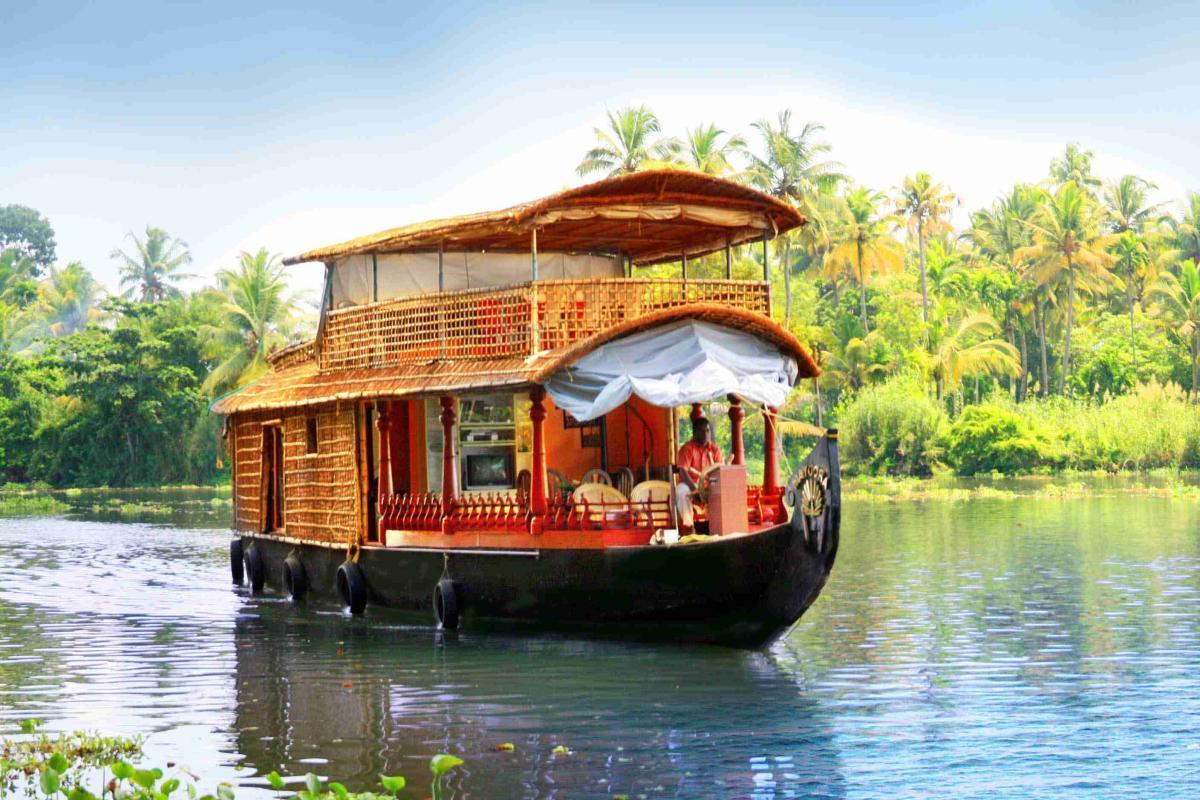
India is not merely a destination; it is an incredibly profound, living, breathing entity that challenges, nurtures, and transforms every soul that steps onto its soil. For decades, the narrative of traveling to the Indian subcontinent was dominated by a rigid checklist of iconic monuments: taking a photo at the Taj Mahal in Agra, touring the massive forts of Rajasthan, or floating down the bustling backwaters of Kerala. While these timeless classics remain spectacularly beautiful and entirely worth your time, the modern traveler’s perspective has radically shifted in recent years.
Today’s adventurers are not just looking for a quick photo opportunity to post on social media; they are seeking immersive, authentic, and transformational experiences. The contemporary wanderer prioritizes deep cultural immersion, slow travel, holistic wellness, and community-led sustainability. If you are planning a trip to the subcontinent, it is time to throw away the standard, outdated guidebook.
Whether you are a solo traveler seeking self-discovery, a couple looking for a romantic high-altitude escape, or a digital nomad wanting to dive deep into local heritage, this comprehensive guide—exceeding 1,500 words of pure, actionable travel inspiration—explores the absolute best things to do in India through the lens of a conscious, modern, experience-driven traveler.
The Evolution of the Indian Travel Experience
Before we dive into the specific things you must do, it is crucial to understand how travel in India is evolving. A new wave of exploration has taken root. Rather than embarking on mass-market, exhausting packaged tours that shuttle you from one crowded monument to another, modern visitors actively seek personalized, authentic travel.
The trends for 2026 and beyond show that travelers are prioritizing "Slow Travel," preferring fewer destinations with longer stays and deeper engagement. There is also a massive rise in "Glow-cations" (wellness trips focused on physical health, mental reset, and longevity) and "Altitude Shifts" (escaping to high-altitude mountains for digital detoxes and therapeutic isolation). Travelers are focusing on personal relevance over generic popularity. This shift means that the best things to do in India today involve stepping far off the beaten path, engaging with local communities, and embracing the unpredictable, glorious magic of the subcontinent.
Here is a meticulously curated list of the best things to do in India from a modern traveler's perspective.
1. Embrace the "Altitude Shift": Find Therapy in the Himalayas
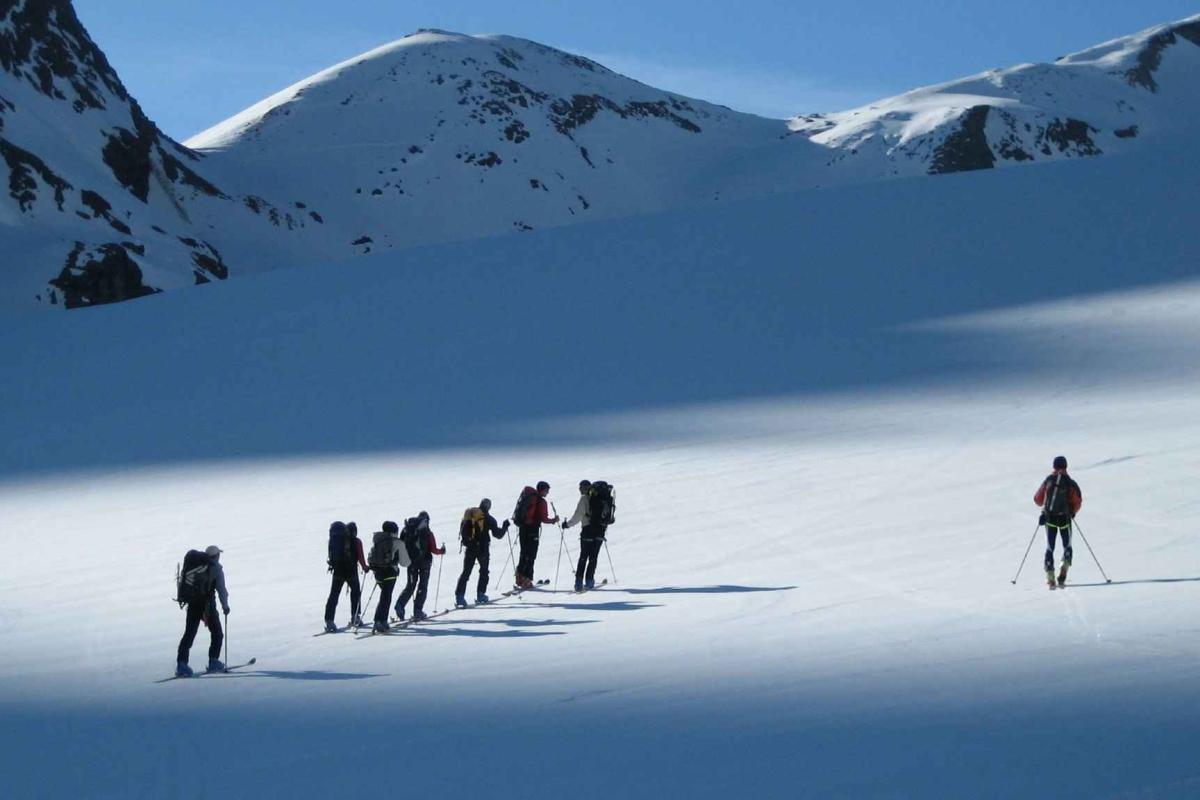
For the modern traveler, mountains are no longer just destinations for extreme adventure sports or winter skiing holidays. They have evolved into spaces for mental rehabilitation, silent contemplation, and a complete reset of the nervous system. The Himalayas, stretching across India's northern borders, offer unparalleled opportunities for this kind of transformative travel.
Trek the Remote Zanskar and Spiti Valleys
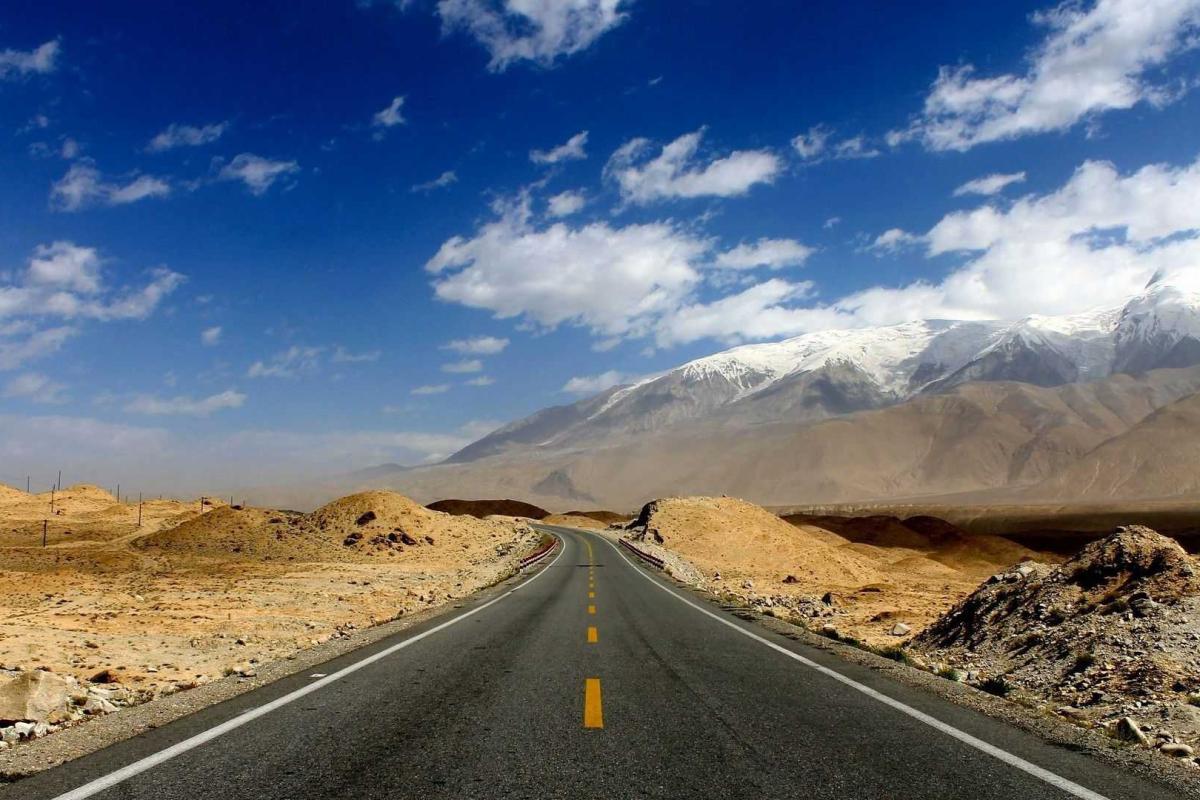
While destinations like Shimla and Manali have long been favorites, the modern traveler is looking further afield to the stark, lunar-like landscapes of the Spiti Valley in Himachal Pradesh and the Zanskar Valley in Ladakh.
-
What to Do: Embark on a multi-day road trip or trek through these high-altitude deserts. In Spiti, visit the ancient Key Monastery perched precariously on a hill, and mail a postcard from Hikkim, home to the world's highest post office. Engage in Astro-tourism; the complete lack of light pollution makes these valleys some of the best places on Earth for stargazing and astrophotography.
-
The Perspective: Instead of rushing to check off viewpoints, spend days doing absolutely nothing but observing the shifting shadows on the barren mountains, drinking butter tea with local monks, and embracing the profound silence that comes with being completely disconnected from cellular networks.
Conquer the Western Ghats
If the high-altitude deserts are not your preference, head south to the Western Ghats, a UNESCO World Heritage site and biodiversity hotspot.
-
What to Do: Trekking in Karnataka or Kerala offers an incredible way to explore nature with purpose. Trails leading up to Mullayanagiri, Baba Budangiri, Kumara Parvatha, or the misty peaks of Munnar provide breathtaking vistas of rolling tea estates and dense, cloud-covered forests.
2. Seek Solitude and Healing: The Rise of the "Glow-cation"
Long before the modern wellness movement took over the globe, India was mastering the art of holistic health. Today, wellness tourism in India goes far beyond a standard hotel spa day; it is about profound, cellular-level rejuvenation. Travelers are flocking to India for "Glow-cations"—trips focused specifically on skin health, longevity, physical hydration, and deep mental cleansing.
Experience Authentic Ayurveda in Kerala
The southwestern state of Kerala is the global epicenter of Ayurveda, a 5,000-year-old system of natural healing.
-
What to Do: Check into a specialized, eco-friendly wellness resort in the Kerala backwaters or the hills of Wayanad. Here, authentic Ayurvedic doctors will assess your unique dosha (body constitution) and prescribe tailored diets, herbal treatments, and deep-tissue massages using medicated oils. Participate in a Panchakarma retreat—a highly intensive, multi-day detox process designed to rid the body of toxins.
-
The Perspective: This is not a vacation where you return home exhausted from sightseeing. It is an investment in your long-term health. The goal is to leave India glowing from the inside out, equipped with ancient knowledge on how to maintain balance in your daily life.
Ashram Life in Rishikesh
For those seeking spiritual wellness, Rishikesh, situated on the banks of the sacred Ganges River in the foothills of the Himalayas, remains the undisputed yoga capital of the world.
-
What to Do: Enroll in a structured ashram program. Whether you want to master Vinyasa yoga, learn the ancient art of Vipassana (silent) meditation, or simply engage in daily satsangs (spiritual discourses), Rishikesh offers an environment completely dedicated to inner growth. Do not miss the evening Ganga Aarti at Parmarth Niketan, a deeply moving fire ritual that connects you to thousands of years of uninterrupted devotion.
3. "Shelf Discovery" and Culinary Immersion
You cannot possibly understand India without deeply understanding its food. The modern travel trend of "Shelf Discovery" involves moving away from high-end, tourist-focused restaurants and diving into local grocery stores, street food lanes, and the kitchens of everyday people to discover the true culinary heart of a destination.
Navigate the Chaos of Old Delhi’s Food Alleys
Old Delhi, particularly the area around Chandni Chowk, is a sensory explosion and a paradise for the fearless foodie.
-
What to Do: Take a guided walking food tour through the labyrinthine alleys. Head to Gali Paranthe Wali, a historic lane where shops have been shallow-frying unique, stuffed flatbreads for well over a century. Taste the explosion of spicy, tangy chaat, rich chole bhature, and sweet, syrupy jalebis made fresh on the street corners.
-
The Perspective: Food is the greatest equalizer. Sitting on a plastic stool, sharing a plate of fiery street food with locals, provides a more authentic understanding of Delhi's pulse than any museum ever could.
Participate in Heritage Cooking Classes
-
What to Do: Whether you are in the vibrant blue city of Jodhpur, Rajasthan, or the lush spice plantations of Kerala, seek out cooking classes hosted in local family homes. Learn how to temper spices, make perfectly round rotis, and balance the complex flavors of regional curries.
-
The Perspective: By learning heritage recipes directly from the source, you engage in sustainable tourism that directly benefits local families, all while gaining a skill that will allow you to recreate the magic of India in your own kitchen back home.
4. Reimagining the Classics: Sustainable Sightseeing
While the modern traveler seeks off-beat paths, it would be a mistake to completely ignore India's monumental historical sites. The key is to approach these classic bucket-list destinations from a new, highly intentional perspective.
The Taj Mahal at Sunrise (and Beyond)
The Taj Mahal in Agra is universally recognized as one of the most beautiful buildings in the world. However, dealing with the massive crowds can sometimes dampen the romance.
-
What to Do: Do not just join the midday queues. Wake up before dawn and be the first in line as the gates open, watching the white marble shift from soft pink to brilliant white as the sun rises. For a unique perspective, cross the Yamuna River to Mehtab Bagh (the Moonlight Garden) at sunset. This lush park offers an unobstructed, peaceful view of the Taj Mahal without the overwhelming crowds.
-
The Perspective: Pair your visit to the monument with a deeper exploration of Agra's lesser-known heritage, such as the exquisite Tomb of I'timad-ud-Daulah (often called the "Baby Taj"), which marks the architectural transition from red sandstone to white marble.
Heritage Havelis and the Forts of Rajasthan
Rajasthan is the land of kings, famous for its colossal forts and opulent palaces.
-
What to Do: Visit Mehrangarh Fort in Jodhpur, one of the largest and most well-preserved forts in India. The self-guided audio tour here is exceptional, transporting you back to 1460. But the real magic happens in where you choose to stay. Instead of booking generic luxury chain hotels, opt to stay in restored heritage havelis (traditional mansions).
-
The Perspective: Engaging with the families who have maintained these ancestral properties for generations provides deep insights into the region's historical narrative and supports the preservation of unique architectural heritage.
5. Eco-Experiential Tourism in Northeast India
If there is one region in India that perfectly captures the modern shift toward sustainable, nature-rooted tourism, it is the Northeast. This region, emerging as a major strategic travel destination for 2026, is a masterclass in how human communities can coexist harmoniously with dense, unforgiving natural environments.
Trek the Living Root Bridges of Meghalaya
Known as the "Abode of Clouds," the state of Meghalaya offers an entirely different flavor of India—one defined by misty hills, towering waterfalls, and indigenous ingenuity.
-
What to Do: Instead of building bridges out of steel or concrete, the indigenous Khasi and Jaintia tribes have spent centuries guiding the pliable roots of the Ficus elastica tree across fierce rivers to create living, breathing bridges that grow stronger with time. Trekking to the double-decker root bridge in Nongriat is a physical challenge that requires descending thousands of steep steps, but it rewards you with lush, untouched jungle scenery and crystal-clear natural pools.
-
The Perspective: By choosing eco-experiential paths in places like Meghalaya (or visiting Mawlynnong, famously known as Asia's cleanest village), you directly support community-led sustainability. You witness firsthand a model of conservation that honors ancient traditions while protecting fragile ecosystems.
6. Bookbound Travel: When Fiction Turns Real
A fascinating trend emerging among modern travelers is "Bookbound Travel"—designing itineraries inspired by literature, history, and the written word. India, with its rich literary history, offers incredible avenues for this.
Explore the Literary Corners of India
-
What to Do: If you are a bibliophile, head to College Street in Kolkata, famously known as India's Book Town. It is the largest second-hand book market in the world, where you can lose yourself for days among rare manuscripts and academic texts. Alternatively, visit Mussoorie, the misty hill station in Uttarakhand that inspired much of the beloved author Ruskin Bond’s work. You can also explore the Urdu heritage and Mirza Ghalib’s Haveli in Old Delhi, or visit Perumkulam in Kerala, which has been officially designated as a "Book Village."
-
The Perspective: Traveling with a literary focus slows you down. It encourages you to sit in historic cafes, strike up conversations with local booksellers, and view a city through the romantic lens of its greatest storytellers.
Essential Tips for the Modern Traveler in India
To truly capitalize on these experiences and navigate the beautiful, organized chaos of the country, approaching India with the right mindset is absolutely crucial.
1. Embrace the Unexpected: India is a sensory overload. Trains will occasionally run late, a sudden monsoon shower might flood a street in minutes, and a wandering cow will inevitably block traffic on a major highway. Flexibility is not just recommended; it is a strict requirement for your sanity and enjoyment. Lean into the chaos rather than fighting it.
2. Leverage Modern Infrastructure: The India of 2026 is highly digitally connected. Use ride-sharing apps (like Uber or Ola) to navigate cities effortlessly. UPI (Unified Payments Interface) has revolutionized transactions; even the smallest street vendor now accepts digital payments via QR codes. However, as a foreigner, ensure you have an international card or sufficient cash, as setting up local payment apps can require an Indian phone number. Furthermore, newly constructed expressways are making "micro-cations" and self-drive road trips between cities safer and faster than ever before.
3. Respect the Culture and Dress Modestly: India remains a deeply traditional country. Regardless of the heat, dressing modestly (covering shoulders and knees) is essential, particularly when visiting religious sites like temples, mosques, or gurdwaras. Always ask for permission before photographing local people, and be acutely mindful of local customs regarding food (eat with your right hand!) and temple etiquette (always remove your shoes).
4. Prioritize Sustainable Choices: The modern traveler carries a responsibility. Choose eco-friendly accommodations, support local artisans directly by buying from markets rather than massive corporate chain stores, and actively minimize your use of single-use plastics. Your financial choices dictate the future landscape of Indian tourism.
5. Connect, Don’t Just Consume: Take the time to actually speak with the people you meet. Have a conversation with the chai wallah (tea vendor) brewing your morning cup, ask your auto-rickshaw driver about his family, and listen to the stories of the artisan weaving a carpet. The true, beating heart of India is found not in its ancient stones, but in its profoundly warm, hospitable, and resilient people.
Final Thoughts: A Journey of Self-Discovery
Viewing India from a modern traveler's perspective reveals a destination that is infinitely more complex, engaging, and rewarding than any glossy tourist brochure could ever suggest. It is a land that demands your full presence, an open heart, and a willing spirit.
Whether you are navigating the intricate, ancient root bridges of a remote northeastern jungle, diving into the depths of your own consciousness in a Himalayan ashram, tracing the footsteps of literary giants in Kolkata, or simply losing yourself in the vibrant, spicy chaos of a local street food market, India offers an unparalleled canvas for both adventure and profound self-discovery.
Pack your bags, leave your preconceptions at the departure gate, and prepare yourself to experience a country that will undoubtedly, irrevocably change the way you see the world.