India is not just a country; it is a sprawling, spectacular tapestry of experiences, landscapes, and spiritual depths. From the snow-capped peaks of the Himalayas to the sun-drenched...
India is not just a country; it is a sprawling, spectacular tapestry of experiences, landscapes, and spiritual depths. From the snow-capped peaks of the Himalayas to the sun-drenched beaches of the tropical south, the sheer scale of the subcontinent is matched only by its profound cultural diversity. For a traveler, India presents a mesmerizing paradox of the ancient and the modern, the tranquil and the chaotic. If you are crafting your ultimate Indian travel itinerary, deciding where to go can be overwhelming. Indian tourism is globally renowned for its rich culture and unparalleled diversity, making it a hotspot that continually draws explorers from every corner of the earth (Singh et al., 2021).
Whether you are a solo traveler seeking self-discovery, a wildlife enthusiast looking to spot the elusive Bengal tiger, or a history buff eager to walk the halls of majestic forts, India has something for you. In this comprehensive travel blog, we will explore the absolute must-visit places in India. This guide is designed to help you navigate the top tourist attractions in India, providing you with everything you need to know to embark on a transformative journey.
1. The Spiritual Centers: Where the Soul Finds Peace
India is the birthplace of several major world religions, and its spiritual tourism sector is highly valued globally. Destinations such as Puri, Kedarnath, Varanasi, and Rishikesh have developed powerful brand images over the years due to their profound meditating impact on visitors (Agarwal, n.d.).
Varanasi: The City of Light
Varanasi, one of the oldest continuously inhabited cities in the world, is the spiritual beating heart of India. Situated on the banks of the sacred river Ganges, this city is a sensory overload of sights, sounds, and smells.
-
What to Do: Take a sunrise boat ride on the Ganges to witness devotees performing their morning rituals. In the evening, the grand Ganga Aarti at Dashashwamedh Ghat is a mesmerizing spectacle of fire, chanting, and devotion that you simply cannot miss.
-
Best Time to Visit: October to March, when the weather is cooler and more forgiving.
-
SEO Travel Tip: When searching for "spiritual places to visit in India," Varanasi consistently ranks at the top. Be prepared for a raw and intense experience that offers a profound look into Hindu culture and the cycle of life and death.
Rishikesh and Haridwar: The Yoga Capitals
Nestled in the foothills of the Himalayas, Rishikesh and Haridwar are the gateways to the Garhwal region. Rishikesh is famously known as the 'Yoga Capital of the World,' drawing spiritual seekers, yogis, and even the Beatles back in the 1960s.
-
What to Do: Enroll in a meditation or yoga retreat at one of the many ashrams. For adventure junkies, Rishikesh offers thrilling white-water rafting on the Ganges and bungee jumping. In Haridwar, witness the evening Aarti at Har Ki Pauri, a deeply moving spiritual gathering.
-
Best Time to Visit: Late September to November, and February to April.
2. The Majestic Himalayas: High-Altitude Adventures
The northern frontier of India is guarded by the mighty Himalayas, offering some of the most breathtaking landscapes on the planet. For those searching for adventure tourism and eco-tourism, this region is unparalleled.
Ladakh: The Land of High Passes
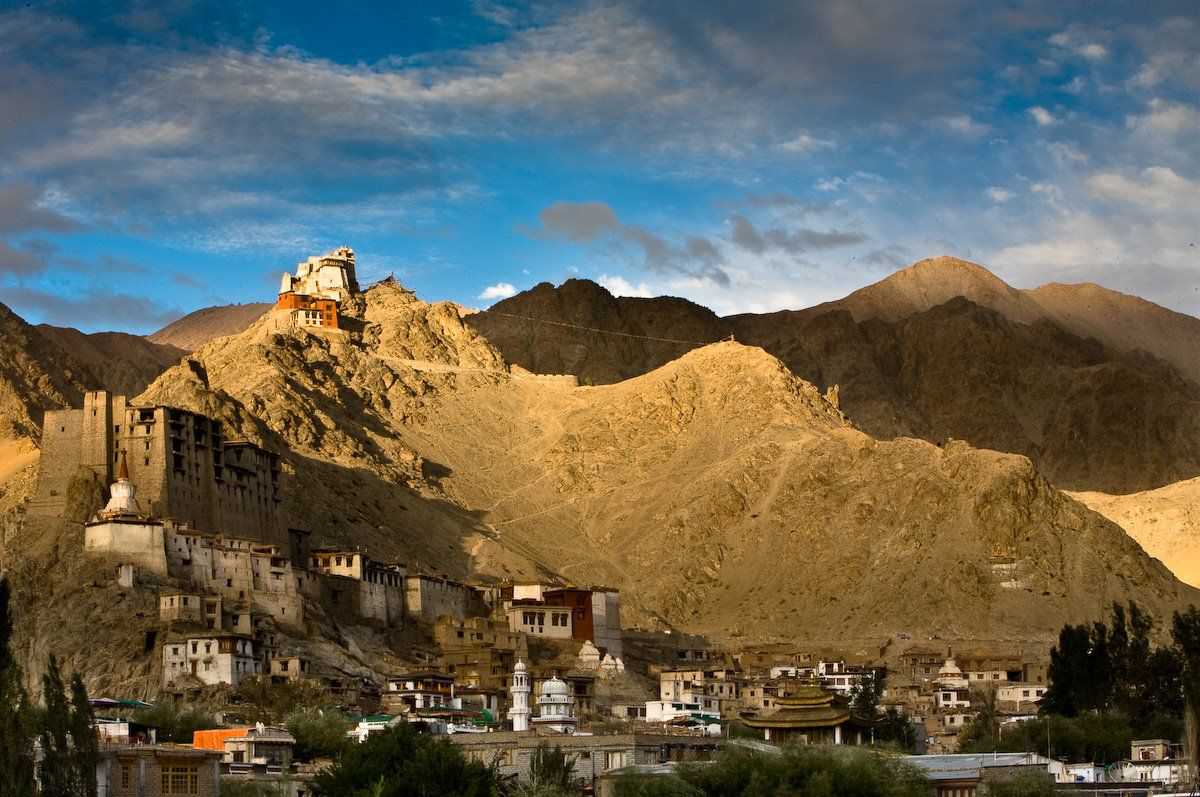
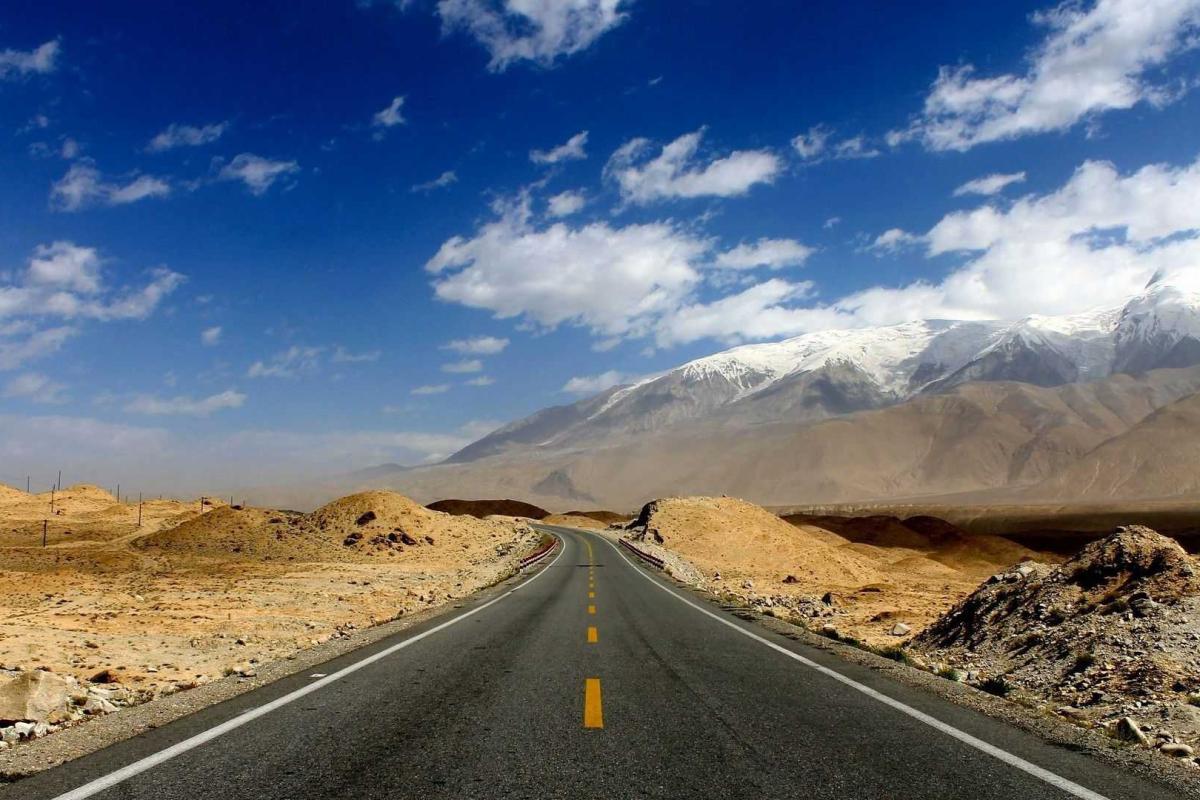
Ladakh is a high-altitude desert region known for its dramatic mountain scenery, crystal-clear skies, and vibrant Buddhist culture. Its stark, lunar-like landscapes are dotted with ancient monasteries perched on craggy cliffs.
-
What to Do: Visit the stunning Pangong Tso Lake, famous for its ever-changing shades of blue. Drive across Khardung La, one of the highest motorable roads in the world. Explore the Thiksey and Hemis monasteries to experience the tranquility of Tibetan Buddhism.
-
Travel Tip: Acclimatization is crucial here. Spend your first two days in Leh resting and drinking plenty of water to adjust to the high altitude before heading out to explore.
Spiti Valley: The Middle Land
Often considered a more rugged and less commercialized alternative to Ladakh, Spiti Valley is a remote, harsh, yet stunningly beautiful region in Himachal Pradesh.
-
What to Do: Visit the Key Monastery, which resembles a fort and is perched gracefully on a hill. Send a postcard from the world's highest post office in Hikkim. Trek through the Pin Valley National Park.
-
Best Time to Visit: Late May to late September. During the winter, the valley is covered in heavy snow and is mostly inaccessible by road.
Chopta: The Mini Switzerland of India
Located in the Rudraprayag district of Uttarakhand, Chopta is rapidly emerging as a popular destination for eco-tourism. Known for its lush green meadows and snow-capped Himalayan peaks, it offers a serene escape (Sharma, n.d.).
-
What to Do: Undertake the trek to Tungnath, the highest Shiva temple in the world, and continue up to Chandrashila peak for a panoramic 360-degree view of the majestic Himalayas.
3. Cultural Masterpieces and Royal Heritage
If you want to step back in time and experience the opulence of India's royal past, the states of Rajasthan and Uttar Pradesh hold treasures that are central to any Indian travel itinerary.
Agra: Home of the Taj Mahal
No travel blog about India is complete without mentioning Agra. The city is globally synonymous with the Taj Mahal, the magnificent white marble mausoleum built by Mughal Emperor Shah Jahan for his beloved wife Mumtaz Mahal.
-
What to Do: Witness the Taj Mahal at sunrise when the marble glows with a soft, pinkish hue. Do not miss the Agra Fort, a massive red sandstone fortress that served as the main residence of the Mughal emperors, and Fatehpur Sikri, the abandoned capital city nearby.
-
Travel Tip: Book your tickets online in advance to avoid long queues, and hire a licensed guide to fully appreciate the architectural nuances and historical anecdotes.
Jaipur: The Pink City
The capital of Rajasthan, Jaipur, forms one corner of the famed Golden Triangle (along with Delhi and Agra). The city is a vibrant blend of chaotic streets, majestic palaces, and bustling bazaars.
-
What to Do: Explore the imposing Amer Fort, accessible via a steep climb or a jeep ride. Marvel at the intricate lattice facade of the Hawa Mahal (Palace of Winds), designed so royal women could observe street festivals without being seen. Visit the City Palace and the Jantar Mantar, an astronomical observatory.
-
Best Time to Visit: October to March, escaping the intense summer heat of the desert state.
Udaipur: The City of Lakes
Often dubbed the most romantic city in India, Udaipur is a jewel in Rajasthan's crown. Surrounded by the Aravalli Hills, the city is centered around the serene Lake Pichola.
-
What to Do: Take a sunset boat cruise on Lake Pichola and admire the Lake Palace floating in the middle of the water. Wander through the massive City Palace complex, which offers stunning views of the city and lake. Get lost in the narrow, winding streets filled with art shops and rooftop cafes.
4. The Lush South: Tropics, Tea, and Tranquility
The southern part of India offers a stark contrast to the north. Here, the pace of life slows down, the landscapes turn lush and green, and the air is filled with the scent of spices and ocean breezes.
Kerala: God’s Own Country
Kerala is famous for its extensive network of backwaters, palm-fringed beaches, and Ayurvedic treatments. It is the ultimate destination for relaxation and rejuvenation.
-
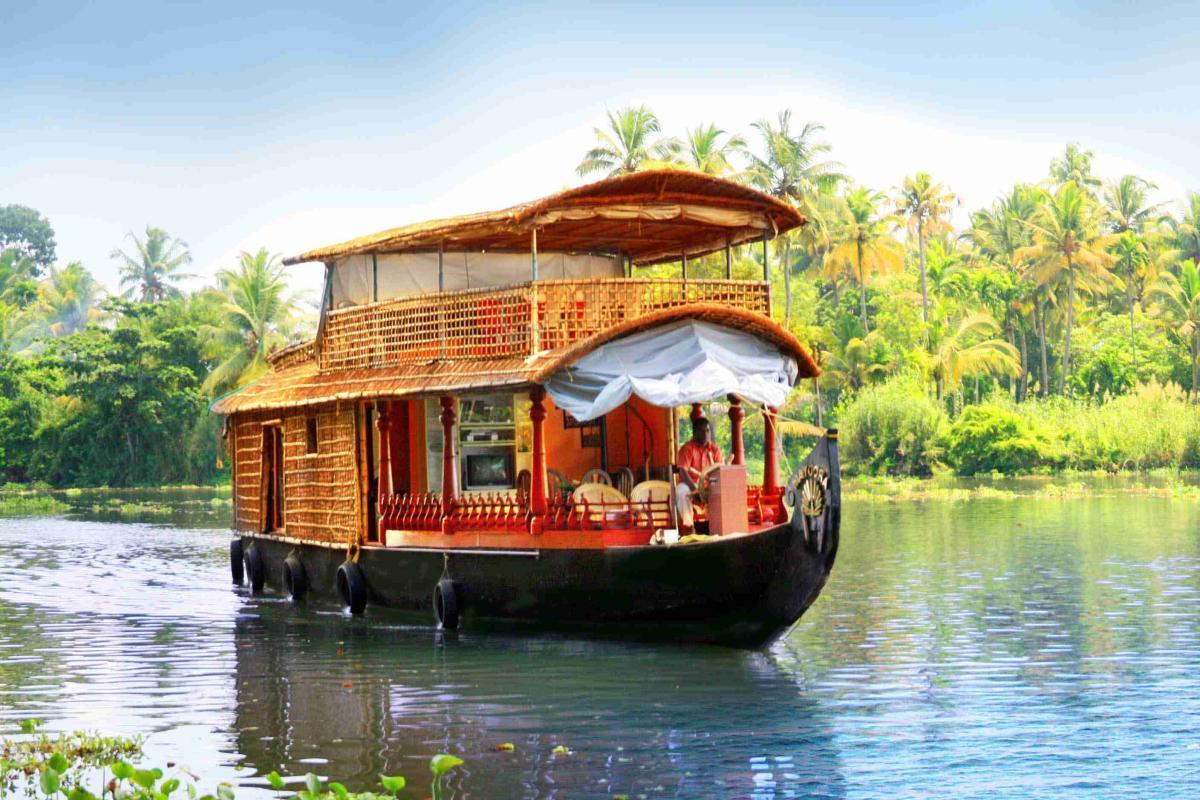
What to Do: Hire a traditional houseboat in Alleppey (Alappuzha) and gently cruise through the tranquil backwaters, passing by local villages and paddy fields. Visit the tea gardens of Munnar, which drape the rolling hills in an emerald green blanket. Don't forget to visit the historic Alappuzha Lighthouse, which has been guiding sailors since 1862 (Sharma, n.d.).
-
Best Time to Visit: September to March. The monsoon season (June to August) is also popular for those seeking authentic Ayurvedic therapies.
Coorg: The Scotland of India
Located in the Western Ghats in Karnataka, Coorg (Kodagu) is a misty, hilly region renowned for its sprawling coffee plantations, lush forests, and cascading waterfalls.
-
What to Do: Take a guided tour of a coffee estate to learn about the brewing process. Visit the spectacular Abbey Falls and the Dubare Elephant Camp. Experience the rich culture and spicy cuisine of the local Kodava people.
Andaman and Nicobar Islands
For those seeking pristine, untouched beaches and world-class scuba diving, the Andaman and Nicobar Islands in the Bay of Bengal are a must-visit.
-
What to Do: Relax on the white sands of Radhanagar Beach on Havelock Island, frequently voted one of the best beaches in Asia. Snorkel or dive to explore the vibrant coral reefs and marine life. Visit the historic Cellular Jail in Port Blair to learn about India's freedom struggle.
5. Wildlife and Nature Reserves: Into the Wild
India’s varied topography makes it a haven for wildlife. From the largest mangrove forests in the world to dense deciduous jungles, the country’s national parks offer some of the best wildlife viewing opportunities in Asia.
Ranthambore National Park, Rajasthan
Once the private hunting ground of the Maharajas of Jaipur, Ranthambore is now one of the best places in India to spot wild Bengal tigers in their natural habitat.
-
What to Do: Take a jeep or canter safari through the park. Besides tigers, look out for leopards, sloth bears, and a vast variety of bird species. The 10th-century Ranthambore Fort within the park adds a unique historical dimension to the wilderness.
Kaziranga National Park, Assam
Located in the northeastern state of Assam, Kaziranga is a UNESCO World Heritage site and the last major stronghold of the endangered one-horned Indian rhinoceros.
-
What to Do: Embark on an early morning safari through the tall elephant grass to spot rhinos, wild water buffalo, and Asian elephants. The park is also recognized as an Important Bird Area.
-
Best Time to Visit: November to April. The park is closed during the monsoon season due to flooding from the Brahmaputra River.
Sundarbans, West Bengal
The Sundarbans is a vast delta formed by the convergence of the Ganges, Brahmaputra, and Meghna rivers. It is the largest continuous mangrove forest in the world and presents a truly unique ecosystem.
-
What to Do: Explore the dense mangroves via a boat safari. While spotting the elusive Royal Bengal tiger—which has adapted to swimming in these saline waters—is rare, the eerie beauty of the forest, saltwater crocodiles, and diverse birdlife make it an unforgettable experience (Sharma, n.d.).
6. Sustainable and Solo Travel in India
As travel trends evolve, more visitors are looking for sustainable and empowering ways to explore the subcontinent.
The Rise of Female Solo Travel
Historically, travelogues were largely dominated by masculine perspectives, but recent years have seen a massive upsurge in solo female travel in India. Travel blogs and digital flânerie—the act of strolling, gazing, and reflecting on one's loitering—have empowered women to negotiate public spaces and document their journeys (Basu Chaudhuri, 2020). If you are a solo female traveler planning to visit India, destinations like Kerala, Himachal Pradesh, and Rajasthan offer robust tourist infrastructures and welcoming communities. Always prioritize safety, research your accommodations, and consider joining female-centric travel groups for shared experiences.
Eco-Tourism and Responsible Travel
With the growing pressure on ecologically fragile zones like the Himalayas and the coastal backwaters, responsible travel is more important than ever. When planning your trip:
-
Opt for eco-friendly homestays over massive resort chains.
-
Support local artisans and businesses.
-
Minimize plastic waste by carrying a reusable water bottle.
-
Respect the cultural norms and dress modestly, especially when visiting religious sites.
Conclusion
India is a destination that defies simple description. It is a country that will challenge you, surprise you, and ultimately captivate you. From the deep spiritual resonance of Varanasi to the stark, silent beauty of Ladakh, the royal grandeur of Rajasthan, and the tropical serenity of Kerala, the must-visit places in India offer a kaleidoscope of unforgettable memories.
Creating the perfect Indian travel itinerary requires prioritizing your interests, whether they lie in history, wildlife, spirituality, or simply soaking in diverse cultures. Remember that India is not a country to be "completed" in one trip; it is a world to be experienced slowly, one incredible region at a time. Pack your bags, keep an open mind, and get ready for the adventure of a lifetime in Incredible India.