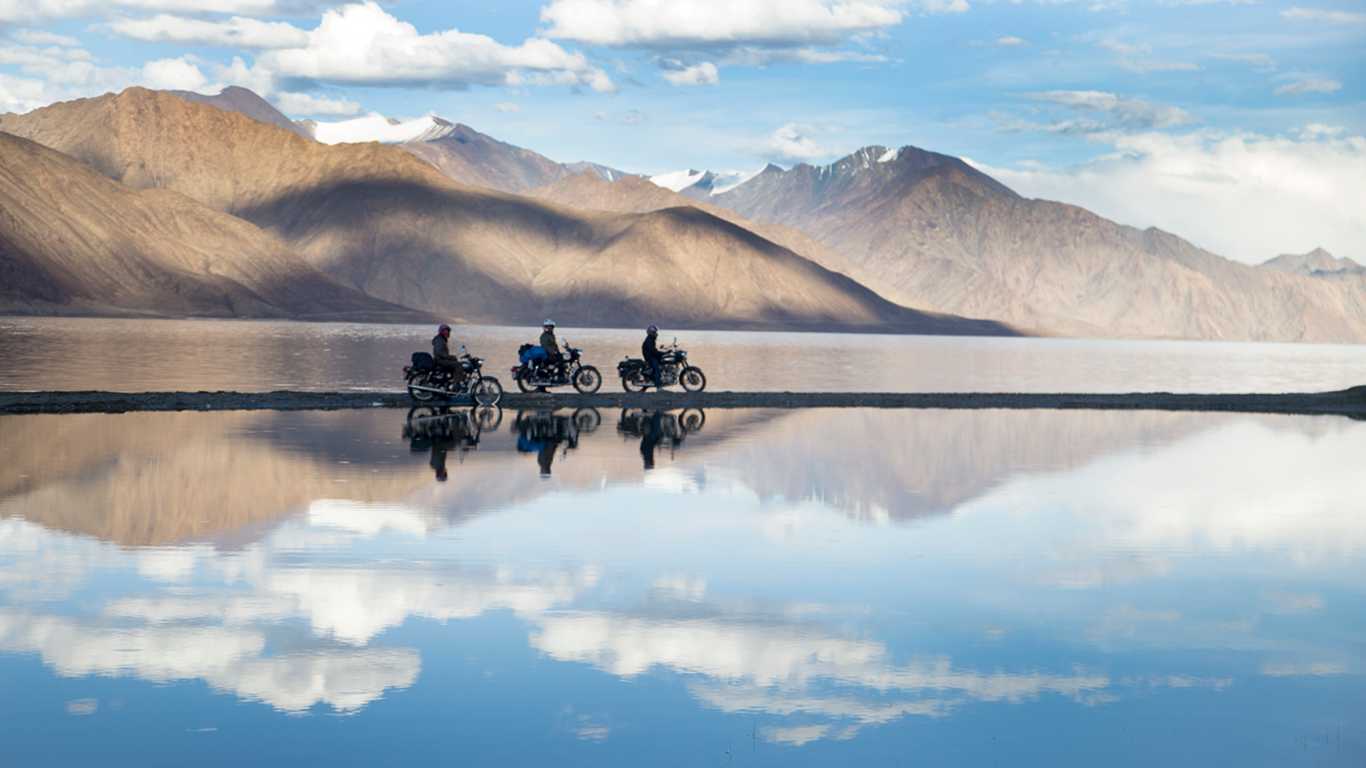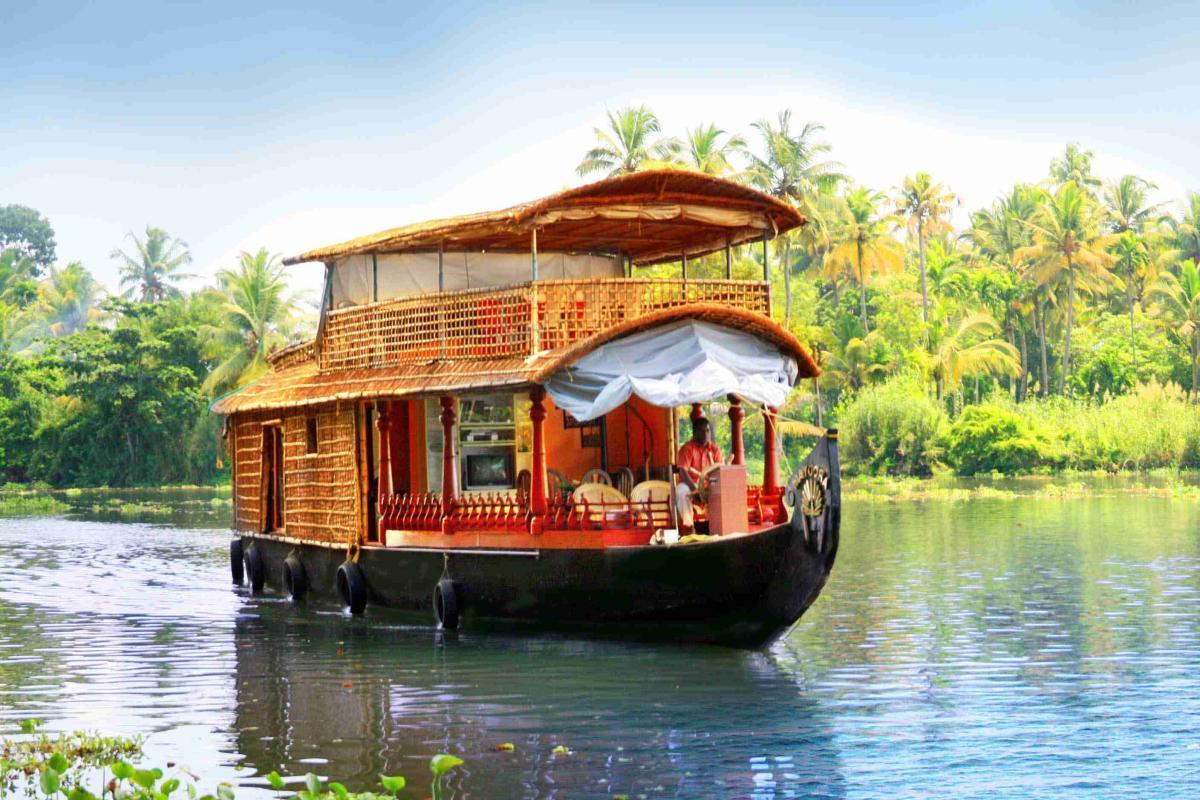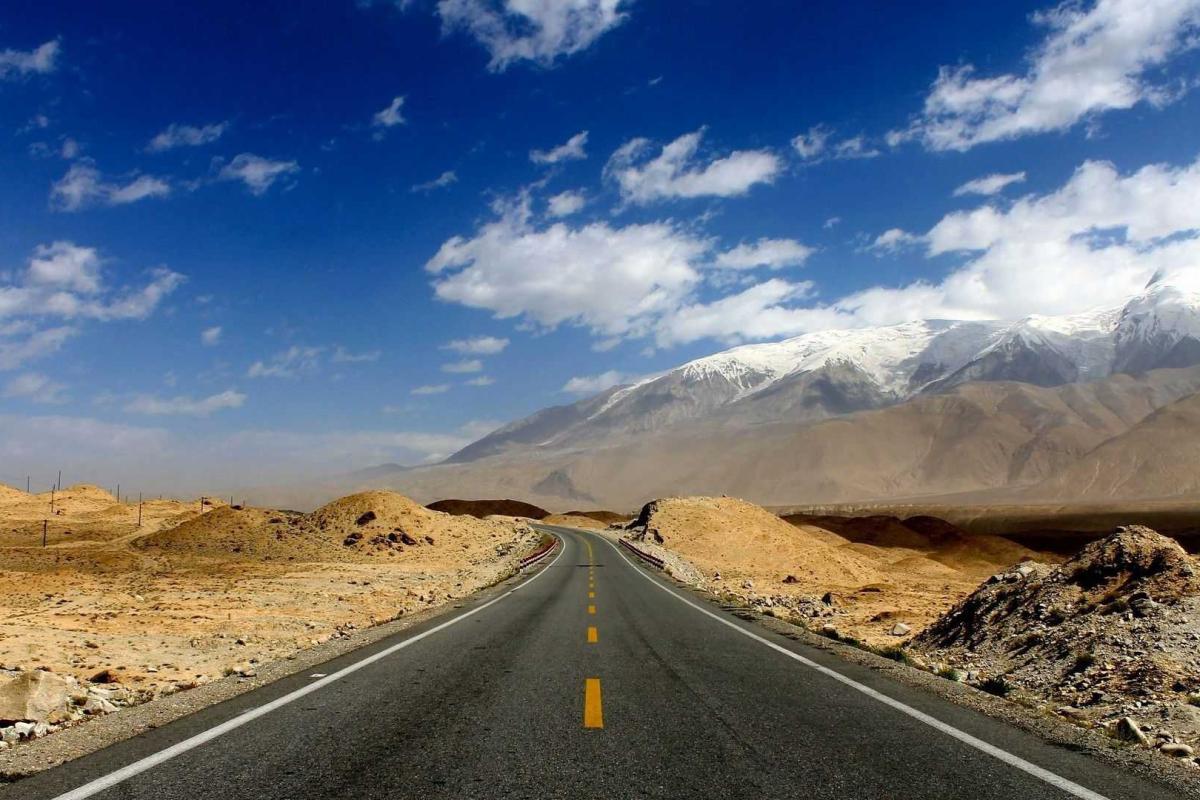
We are taking a deep dive into the absolute must-visit offbeat destinations in India. From the misty, forest-clad mountains of West Bengal to the indigenous heritage villages of Nagaland, let's embark on a journey to the heart of alternative travel in India.....
Welcome to the vibrant, chaotic, and unimaginably diverse tapestry that is India! Most travelers planning a trip to the subcontinent immediately think of the majestic Taj Mahal, the sun-kissed beaches of Goa, or the serene backwaters of Kerala. However, the true essence of this magnificent country often lies far away from the crowded tourist traps. If you are a wanderer at heart seeking authentic experiences, tranquility, and a deep dive into untouched cultures, it’s time to look beyond the mainstream itineraries.
In recent years, the travel landscape has shifted significantly. Over tourism in popular hill stations and beaches has led intrepid travelers to seek out hidden gems in India—places that offer pristine nature, rich heritage, and authentic community interactions without the commercial hustle. Whether you are a solo backpacker, a couple looking for a quiet retreat, or a family wanting an educational cultural immersion, the subcontinent has a treasure trove of unexplored secrets waiting to be discovered.
In this comprehensive travel blog, we are taking a deep dive into the absolute must-visit offbeat destinations in India. From the misty, forest-clad mountains of West Bengal to the indigenous heritage villages of Nagaland, let's embark on a journey to the heart of alternative travel in India.
1. Sillery Gaon, West Bengal: The Himalayan Ecotourism Haven
When people think of the majestic Himalayas in West Bengal, Darjeeling is usually the first name that comes to mind. But just a stone's throw away in the Kalimpong district lies Sillery Gaon, a burgeoning offbeat destination that has captured the hearts of nature enthusiasts and serenity seekers alike.
Why You Should Visit
Sillery Gaon is affectionately known as the "New Darjeeling" for those in the know, but without the suffocating traffic and commercialized mall roads. This quaint village is surrounded by dense, lush tropical forests and offers a jaw-dropping, panoramic 180-degree view of the snow-clad Mt. Kanchenjunga.
Beyond its scenic beauty, Sillery Gaon is a massive success story for community-based ecotourism. The rapid expansion of local homestays has served as a primary alternative to traditional hotels, facilitating immersive cultural experiences that allow travelers to connect deeply with the land, its people, and its traditional cuisine (Chattopadhyay, n.d.). By staying in a homestay here, your travel budget directly boosts the rural economy and supports local biodiversity conservation efforts.
Top Things to Do
-
Trek to Damsang Fort: History buffs will love the trek to the ruins of Damsang Fort. Originally constructed in 1690 by the Lepcha King Gyabo Achuk, this fort holds significant historical value and was fiercely contested during the Anglo-Bhutan War in 1864.
-
Ramitey View Point: A short hike from the village takes you to this spectacular vantage point, offering unparalleled views of Mt. Kanchenjunga and the fourteen winding meanders of the Teesta River below.
-
Bird Watching in Silent Valley: The dense canopy of Sillery Gaon makes it a haven for bird watchers. Wake up early, grab your binoculars, and listen to the symphony of rare Himalayan birds.
2. Sopore, Jammu & Kashmir: The Apple Town’s Heritage Secret
When one thinks of Jammu & Kashmir, visions of floating shikaras on Dal Lake and the snowy slopes of Gulmarg instantly come to mind. Yet, tucked away about 45 kilometers from Srinagar is Sopore, famously known as the "Apple Town of North Kashmir." While it boasts beautiful orchards and scenic landscapes, its true hidden gem is its rich, relatively unexplored cultural heritage.
Why You Should Visit
Sopore offers a dramatic shift from typical sightseeing to profound cultural exploration. The crown jewel of this offbeat destination is the Meeras Mahal. Unlike state-run museums that focus primarily on aristocratic art and royal history, the Meeras Mahal provides an unparalleled anthropological perspective on the rich material culture and legacy of the everyday people of Kashmir (Mir, n.d.).
Built by the late visionary Atiqa Bano, this private museum houses over 7,000 artifacts that she painstakingly gathered by traveling to remote areas of the Kashmir region. This destination is perfect for travelers who want to understand the soul of a place rather than just its surface aesthetics.
Top Things to Do
-
Explore Meeras Mahal: Spend hours wandering through the exhibits showcasing old jewelry, traditional clothing, historic handloom machines, a 200-year-old milk pot (Doad Mich Waer), and everyday items that defined Kashmiri life up until the late 20th century.
-
Orchard Walks: Sopore isn’t called the Apple Town for nothing. Stroll through the sprawling apple orchards, especially during the harvest season, and interact with local farmers to learn about the region’s agricultural backbone.
-
Engage with the Locals: Because Sopore is off the beaten tourist path, the locals are incredibly warm and eager to share stories of their heritage, making for a truly authentic travel experience.
3. Khonoma and Japfu Peak, Nagaland: The Green Retreat of the Warrior Tribes
Heading to the far Northeast of India brings you to a land of folklore, untamed wilderness, and extraordinary tribal heritage. Nagaland is an absolute paradise for those looking for unique places to visit in India. While the annual Hornbill Festival draws crowds, the true magic of the state lies in its remote villages and towering peaks.
Why You Should Visit
Nagaland’s tourism is deeply rooted in the spirits of the jungles, the fertility of mother earth, and the strong social bonding among its indigenous communities (Chhabra, n.d.). A prime example of this is Khonoma, a village inhabited by the Angami Naga tribe. Known as India's first "Green Village," Khonoma is a testament to sustainable living, having banned hunting and logging to preserve its pristine environment.
For the adventure seekers, Nagaland offers some of the most dramatic landscapes in the country. The state government has actively identified and developed exceptionally charming places to promote regional tourism, blending raw natural beauty with rich tribal history (Chhabra, n.d.).
Top Things to Do
-
Trek Japfu Peak: Situated at an altitude of over 3,000 meters, Japfu Peak is the second highest peak in Nagaland. The challenging trek rewards you with panoramic vistas of the surrounding valleys and a chance to see the tallest Rhododendron tree in the world.
-
Discover Dzukou Valley: Often referred to as the "Valley of Flowers of the Northeast," Dzukou is breathtaking, especially in the spring when it is carpeted with white, red, yellow, and pink rhododendrons.
-
Wildlife Spotting: Visit the Intanki Wildlife Sanctuary or Fakim Wildlife Sanctuary. These protected areas are a haven for rare species, including the Hoolock Gibbon (the only gibbon found in India), flying squirrels, and the spectacular Indian Hornbill.
4. The Coastal Frontiers: Emerging Marine Tourism in Gujarat and West Bengal
When looking for an Indian coastal getaway, 90% of travelers immediately book tickets to Goa, Kerala, or the Andaman Islands. However, if you're hunting for truly unexplored places in India, look toward the massive V-shaped coastline stretching from Gujarat in the west to West Bengal in the east.
Why You Should Visit
The coastal regions of Gujarat and West Bengal are currently at the forefront of a brand-new travel trend: marine tourism. With advancements in technology and recreational infrastructure, seas have become much more accessible to everyday travelers (Sharma, n.d.). These states have a huge, untapped potential for offbeat marine activities that rival international destinations, yet they remain delightfully uncrowded.
Top Things to Do
-
Shivrajpur Beach, Gujarat: Recently awarded the prestigious Blue Flag certification, this pristine white-sand beach near Dwarka is perfect for scuba diving and snorkeling in relatively unexplored waters.
-
Mandarmani, West Bengal: While Digha gets all the local crowds, Mandarmani offers a much quieter, expansive beach experience. It is the longest driveable beach in India and is slowly developing water sports and marine exploration packages for thrill-seekers.
-
Marine Sanctuaries: Explore the Marine National Park in the Gulf of Kutch, Gujarat. During low tide, you can literally walk on the ocean floor to observe coral reefs, octopuses, and pufferfish in their natural habitat!
5. The Starry Skies: Astrotourism in Rural India
As our cities grow brighter and more polluted, a new kind of offbeat travel has emerged in the 21st century: Astrotourism. This niche focuses on destinations that offer high-quality, unpolluted night skies, utilizing the natural resource of well-kept nightscapes for astronomy-related leisure (Singh, n.d.).
Why You Should Visit
Astrotourism takes you to some of the most remote, rugged, and beautiful terrains in India. It is an innovative approach to travel that forces you to disconnect from technology and look up. These destinations often overlap with high-altitude deserts or deep wilderness areas.
Top Things to Do
-
Hanle, Ladakh: Home to the Indian Astronomical Observatory, Hanle is India's first Dark Sky Reserve. The lack of atmospheric interference here makes the Milky Way visible to the naked eye in stunning clarity.
-
Spiti Valley, Himachal Pradesh: Villages like Kibber and Langza aren't just cultural hubs; their remote locations provide some of the best stargazing and astrophotography opportunities in the world.
-
Majuli Island, Assam: The world’s largest river island offers virtually zero light pollution. Sitting by the Brahmaputra River at night under a blanket of stars is an ethereal, off-the-grid experience.
6. Why Choose Offbeat? The Rise of Sustainable Travel
The shift toward offbeat destinations isn't just a matter of avoiding crowds; it represents a fundamental change in how we travel. By choosing locations like Sillery Gaon, Sopore, or Khonoma, you are participating in community-based tourism (CBT).
The Impact of Your Choice
-
Economic Empowerment: Your money goes directly to local homestay owners, guides, and artisans rather than multinational hotel chains.
-
Cultural Preservation: Visiting places with deep roots encourages the younger local generation to preserve and take pride in their heritage, as seen with the preservation efforts at Meeras Mahal.
-
Environmental Conservation: Many hidden gems rely heavily on their natural beauty to attract visitors. Supporting ecotourism initiatives ensures that forests aren't logged and wildlife is protected.
In today's digital age, social media has played a massive role in uncovering these destinations. However, as responsible travelers, it is our duty to visit these delicate ecosystems with respect. Travel slowly, carry your trash back, respect local customs, and immerse yourself fully in the environment.
Final Thoughts for the Intrepid Traveler
India is a country that cannot be fully understood in a single trip, or even a lifetime of trips. But by stepping off the well-worn path of the Golden Triangle or the standard Goa vacation, you open yourself up to the real India.
The must-visit offbeat destinations in India highlighted in this guide—the snowy peaks of Sillery Gaon, the cultural corridors of Sopore, the green sanctuaries of Nagaland, the emerging marine hubs of the coast, and the dark skies of the Himalayas—are calling out to the adventurer in you. They offer a rare combination of peace, authenticity, and discovery.
So, pack your bags, leave your detailed itineraries behind, and get ready to explore the unexplored. The hidden gems of India are waiting!